The stories we teach become the worlds students learn to build.
Open case studies, podcasts, and teaching resources for more inclusive food, agriculture, and ocean economies.
Harvesting Impact is an open resource hub for students and educators exploring entrepreneurship in food, agriculture, and ocean economies. The stories we use in classrooms matter: they shape who students see as entrepreneurs, what kinds of ventures are valued, and whose knowledge is treated as important. Through case studies, podcasts, and teaching resources, Harvesting Impact shares more inclusive stories of people building businesses, communities, and systems with purpose.
Case studies launching June 2026
Sign up to be notified on when they launch!
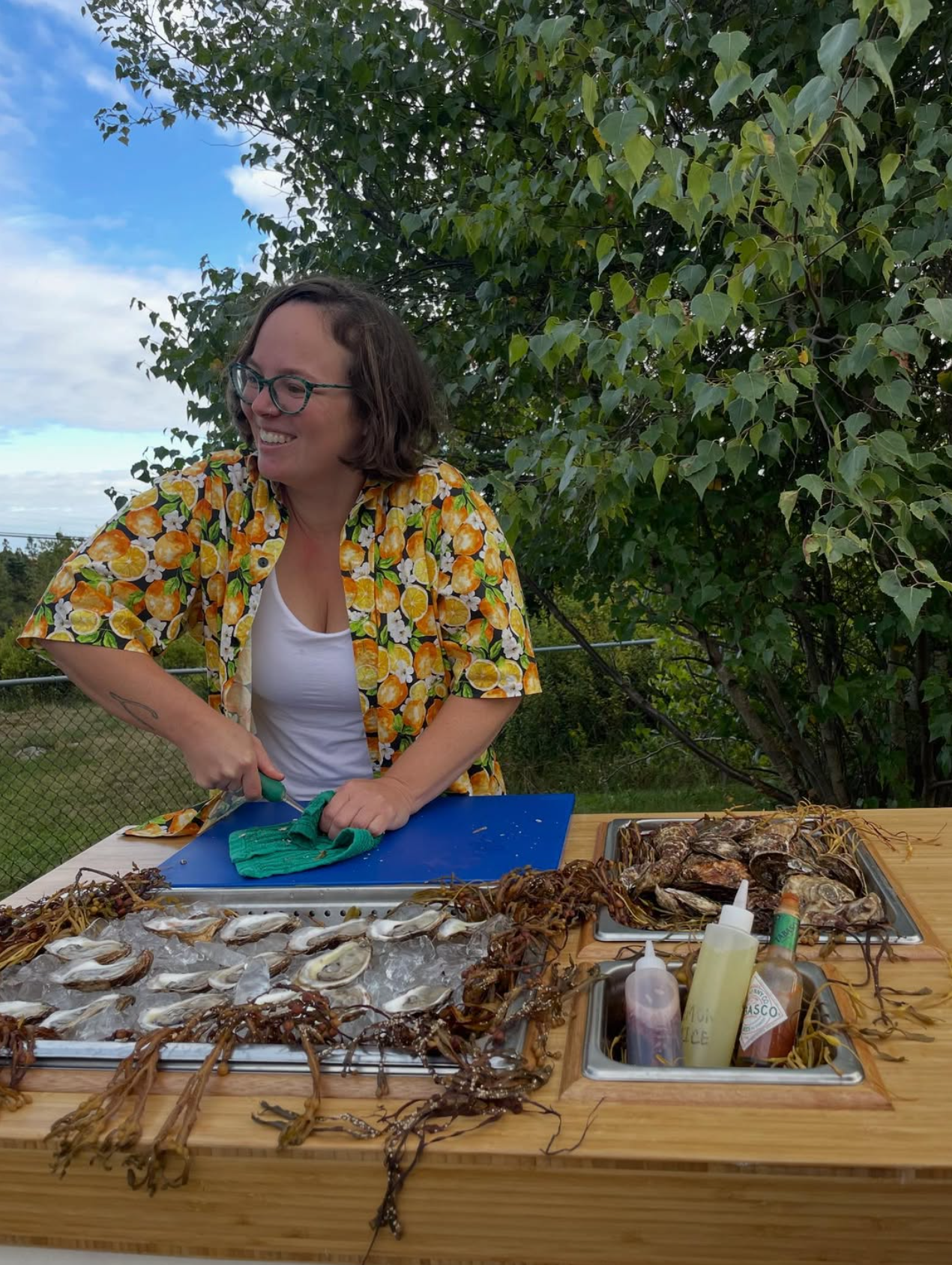
Photo Credit: https://www.instagram.com/p/DP1wBIMjlTO/
Wild Heart Sea Farm: The Tide, the Timeline, and the Trade-Offs
Authors: Dr. Tasha Richard & Yiru Wei, Dalhousie University
Wild Heart Sea Farm follows Laurie, a first-generation ocean farmer on Nova Scotia’s South Shore, as she builds a small, sustainable aquaculture business in an industry shaped by long biological timelines, inherited advantages, emerging kelp markets, and increasing consolidation. The case explores how Laurie balances the promise of oysters and kelp with the realities of financing, market access, growth, independence, and lifestyle alignment. At its heart, the case asks what sustainable entrepreneurship looks like when success is defined not only by scale, but by autonomy, ecological values, community relationships, and the kind of livelihood a founder wants to build.
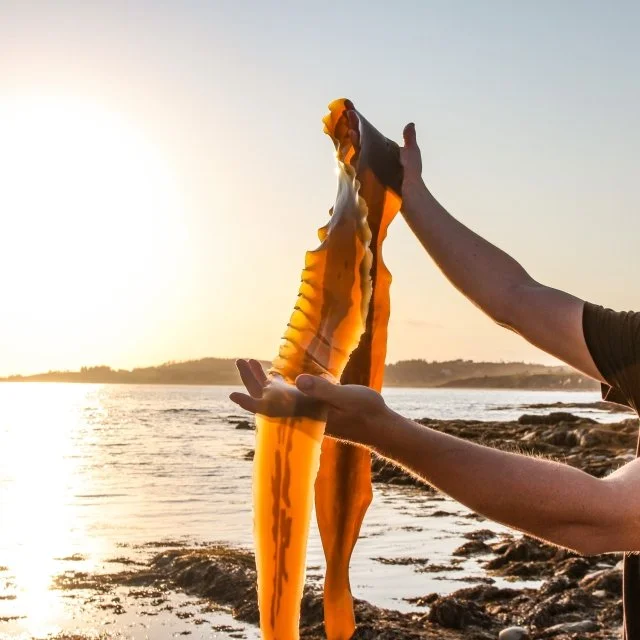
Photo Credit: https://ecologyaction.ca
Ecology Action Centre: Making Waves in the Kelp Economy
Authors: Dr. Tasha Richard & Yiru Wei, Dalhousie University
Ecology Action Centre: Making Waves in the Kelp Economy explores how a nonprofit organization can help build an emerging industry before that industry is ready to stand on its own. The case follows the Ecology Action Centre’s Kelp Kurious initiative as it supports Nova Scotia’s developing kelp sector through training, a demonstration nursery and farm, market research, policy advocacy, product development support, and events like Kelp Fest. As funding timelines approach, the case asks what happens when a mission-driven organization becomes essential infrastructure for an emerging ocean sector. At its heart, the case explores how social profit organizations can balance inclusion, environmental values, small-scale entrepreneurship, and long-term sector development while deciding what kind of legacy they want to leave behind.
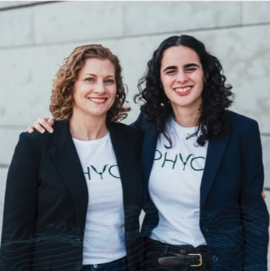
PhyCo: Growing a Seaweed Startup at the Speed of Trust
Authors: Dr. Tasha Richard & Yiru Wei, Dalhousie University
PhyCo Technologies follows co-founders Ranah and Stacey as they build a women-led deep-tech venture developing seaweed-based biomaterials as an alternative to conventional plastics. The case explores the promise of marine biotechnology, including seaweed-derived bioplastics with improved end-of-life degradation, while examining the realities of scaling a capital-intensive venture in an entrepreneurship ecosystem shaped by uneven access to funding, legitimacy thresholds, and investor expectations. At its core, the case asks whether inclusive entrepreneurship means helping founders fit existing systems, or changing those systems so ventures built around environmental impact, community partnership, and slower trust-based growth can succeed on their own terms.